Used hearing aids: why the purchase price is only the first question
Check model identity, professional support, fit, service access, and transfer terms before considering a used hearing aid arrangement.
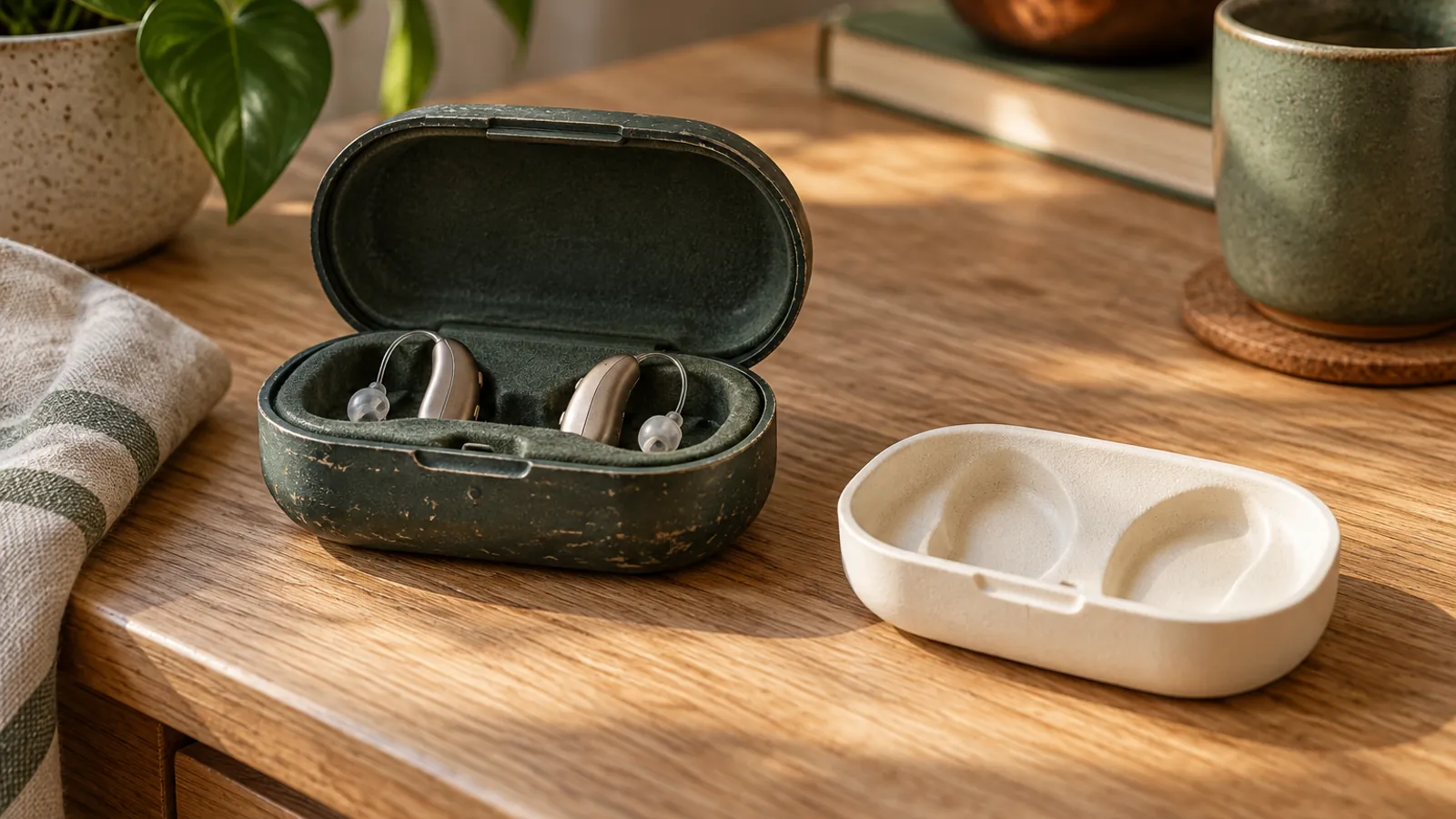
Before considering a used hearing aid, confirm the exact model, whether a qualified professional can support it, the fitting needs, and the full cost of making it usable. A low resale price does not establish medical suitability, hygiene, remaining service life, or transferable protection. Do not buy first and assume any clinic can adapt an unidentified device afterward.
Identify the product precisely
Ask for the model, device count, included accessories, and available instructions. Find out whether it is actually a hearing aid rather than an amplifier or accessory. Do not rely on a listing photograph that resembles another model. A missing charger, proprietary accessory, or unavailable part can change the practical cost of the arrangement.
Keep the seller's statements separate from verified manufacturer or professional information. Ask whether the device can still receive authorized service and compatible parts. Do not infer support availability from its age alone, and do not accept an unsupported claim that it is “just like new.” This site does not inspect products or certify individual resale listings.
Contact a professional before purchase
Ask whether the professional can work with the exact device and whether it could be appropriate for your needs. Discuss evaluation, programming, physical fit, and any product-specific components. A device configured for someone else should not be assumed to match your hearing. The professional may need information the seller has not supplied.
Ask for a written estimate of the services and components needed, if the professional can provide them. Do not assume every clinic accepts outside devices or that service will be free. If the device cannot be supported locally, consider the travel and shipping implications. A bargain that depends on unavailable care is not a complete usable option.
List the missing costs and uncertainties
Use a checklist rather than guessing a single adaptation fee. Some items may be unnecessary, unavailable, or impossible to price before inspection. Mark that honestly. A blank or unknown cost should not be treated as zero to make a resale comparison look favorable.
| Item | What to verify |
|---|---|
| Model and count | Exact devices being sold |
| Professional care | Willing provider and scope of service |
| Physical components | Suitable parts and fit assessment |
| Power equipment | Correct charger or battery system |
| Condition | Inspection and product-specific concerns |
| Warranty | Whether any protection transfers |
| Returns | Seller's written terms for this transaction |
| Future repairs | Authorized service and parts availability |
Do not assume the original owner's bundled care transfers with the device. Ask the original service provider and any new provider separately.
Work through a full-cost example
Imagine a fictional resale price of $300, a fictional $200 professional service estimate, and a fictional $100 compatible accessory. The upfront total would be $600, not $300. These figures are arithmetic illustrations, not actual service charges or an endorsement of used devices. An inspection could reveal another expense or establish that the device is not appropriate.
Compare that complete scenario with other suitable arrangements, including the care and return terms. Do not claim a percentage saving against an invented new-device price. If you do not have a valid comparable quote, there is no verified saving to calculate. A lower upfront total also does not predict remaining life or future repair cost.
Treat condition and transfer claims cautiously
Ask what evidence supports claims about condition, servicing, ownership, and included items. Use the exact manufacturer's instructions for cleaning and servicing; do not improvise a sterilization method or share a device without appropriate professional guidance. This guide cannot determine whether an individual used product is safe.
If a benefit is involved, verify whether the plan covers this specific transaction and required services. Do not assume that a hearing aid benefit applies to private resale. If financing is proposed for a used arrangement, review it as a separate agreement. For a personal medical recommendation, consult a qualified hearing care professional before committing money to an uncertain product.
Set a limit on unresolved costs
Before agreeing to a purchase, decide which unknowns would make the arrangement unacceptable to you. Examples include unavailable professional support, an unconfirmed charger, or no usable return process. This is a personal decision rule, not a diagnosis or a universal price ceiling. Keep those unknowns beside the advertised amount so they remain part of the comparison.
FAQ
Can any hearing aid be reprogrammed for anyone?
Do not assume so. Device capability, intended use, access to programming, physical fit, and your hearing needs matter. Ask a qualified professional about the exact product before purchase. A general claim about programmability is not an individual suitability assessment.
Does an original receipt transfer the warranty?
Only the applicable terms and responsible company can establish that. Ask about transferability, remaining period, exclusions, and claim steps. Keep the written answer. A receipt is useful evidence but does not itself rewrite a protection agreement.
Is a used device necessarily a bad choice?
This guide does not make that blanket judgment. It explains the questions that must be answered before a low listing price becomes a meaningful comparison. If fit, support, condition, or return terms remain unresolved, report that uncertainty rather than inventing a favorable conclusion.
Continue your comparison
- Hearing aid buyer safeguards: a document-first approach
- Sudden hearing changes: when shopping should wait for medical care
- Hearing aid returns and refunds: keep a clear paper trail
Use the pathway comparison alongside the written terms for your own purchase.
Sources
- FDA hearing aid purchase questions — official guidance relevant to this guide.
- NIDCD fit and selection guidance — official guidance relevant to this guide.
Source check: October 30, 2026. This was an editorial source check with AI assistance, not a clinical review. Confirm current product terms and your individual benefits before acting.