Hearing aid buyer safeguards: a document-first approach
Avoid mismatched products, unclear terms, benefit assumptions, and unsupported claims with a practical hearing aid purchase safeguard checklist.

Protect a hearing aid purchase by checking the product category, exact model, written care arrangement, benefit process, and return terms before payment. A low advertised price cannot answer those questions. This document-first approach helps you identify uncertainty without claiming that every unfamiliar seller is unsafe or that every expensive product is better. For medical suitability, use a qualified professional rather than a shopping checklist.
Confirm what the product actually is
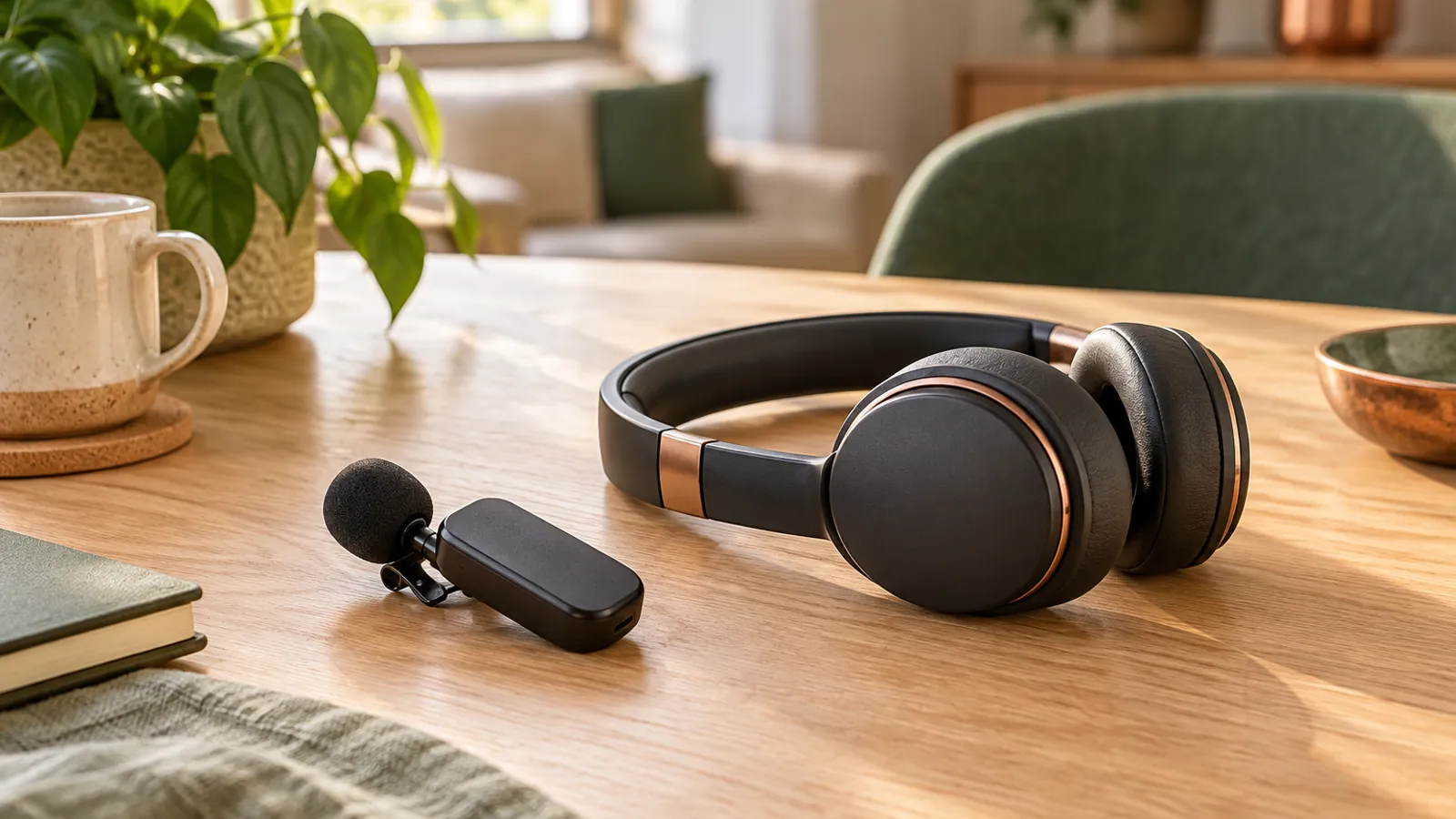
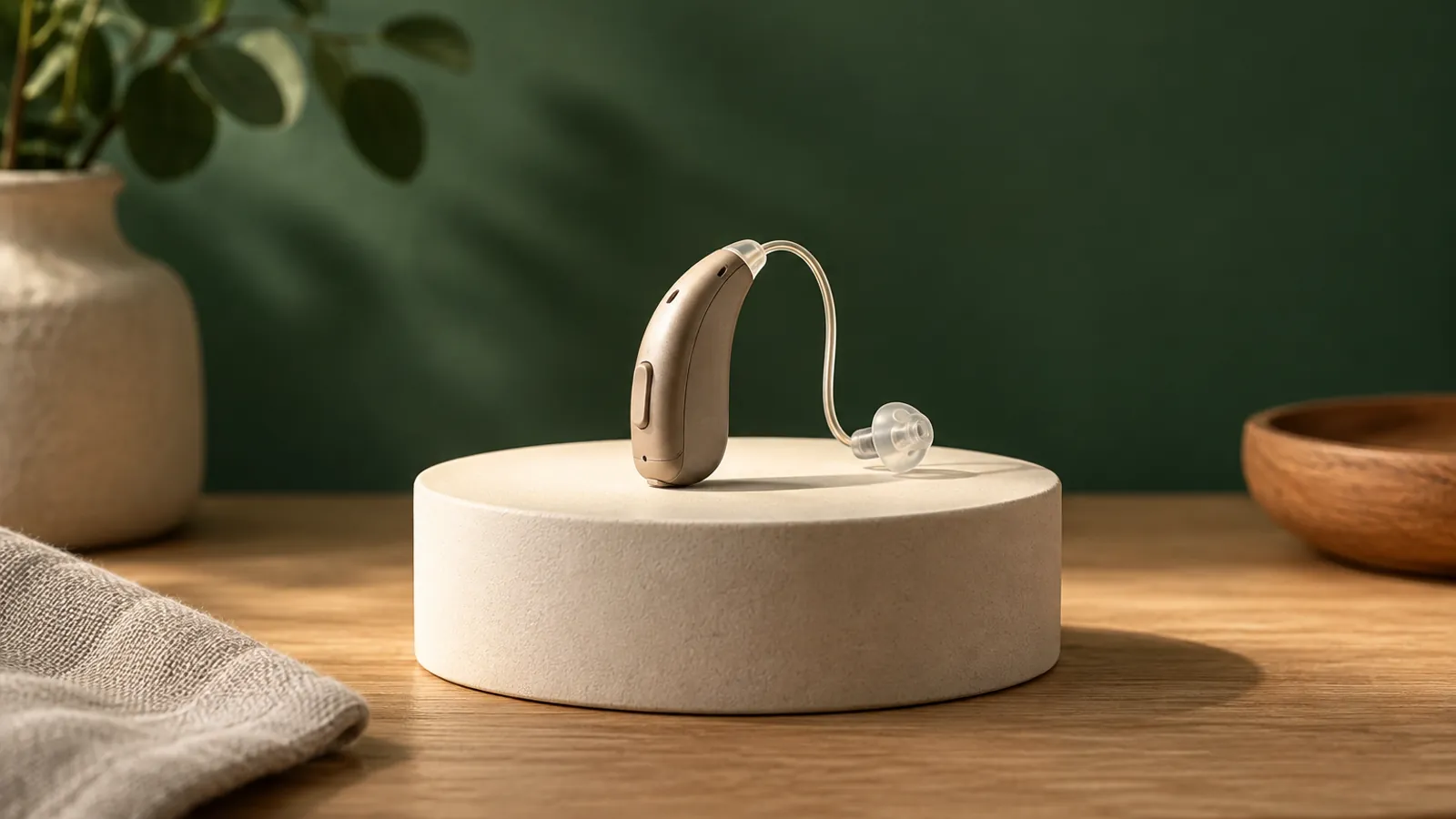
Read the intended-use information and the manufacturer's instructions. Distinguish a hearing aid from a personal sound amplification product and from an accessory that only serves a particular listening situation. Similar shapes and overlapping advertising language can make these categories look interchangeable when they are not.
For OTC hearing aids, the FDA intended-use category is adults 18 and older with perceived mild to moderate hearing loss. Do not treat an online seller's suggestion as a diagnosis or assume an OTC device is suitable for every hearing difficulty. Ask a professional if the intended use is uncertain. Sudden hearing loss needs prompt medical attention rather than a different online product search.
Ask for a reviewable quote
The quote should identify the model, number of devices, included services, required accessories, and total amount. Ask which parts of the arrangement expire and which later charges remain possible. Keep the original rather than only a screenshot of the headline price. If the seller changes the offer, ask for a revised document.
| Safeguard | Evidence to keep |
|---|---|
| Product identity | Exact model and intended-use information |
| Quantity | Written one-device or pair description |
| Care | Defined fitting and follow-up arrangement |
| Benefits | Plan response and applicable document |
| Returns | Start date, deadline, steps, and deductions |
| Warranty | Covered problems and exclusions |
| Financing | Lender agreement and payment schedule |
| Support | Seller and service contact details |
An unanswered item does not prove wrongdoing. It does mean the comparison is incomplete, and the uncertainty should stay visible until resolved.
Check credentials and claims through the right source
If a professional service is part of the purchase, ask who provides it and verify the relevant license through the responsible state authority. Do not infer clinical credentials from a sales title or a photograph of someone in a white coat. Likewise, do not mistake a device's regulatory category for a guarantee of your personal result.
Ask for evidence behind claims that matter to your decision. A statement about an exact function should identify the model and conditions. A testimonial is not a substitute for your own evaluation or a clinical recommendation. This site does not publish invented expert endorsements, review scores, or provider rankings. If a claim cannot be verified, do not build a financial assumption around it.
Keep benefit and refund processes separate
Confirm insurance arrangements with the plan, not only with the seller. Ask whether the quote already reflects a plan contribution and whether a designated provider or purchase route is required. Do not combine a retail promotion with a benefit from another arrangement unless the plan confirms that combination.
For returns, identify which charges can remain and how a refund is calculated. In a fictional example, paying $1,600 and receiving a $1,450 refund leaves a $150 expense. That difference might reflect a disclosed fee or another item requiring explanation; arithmetic alone does not decide whether it is legally permitted. Keep the policy, receipts, and communications and seek qualified advice for a dispute about your rights.
Recognize when to pause the purchase
Pause if the seller will not identify the exact product, the device count, essential terms, or the service provider. Pause if your ability to afford the purchase depends on an unconfirmed benefit. Ask for time to read the documents if a promotion creates pressure. A deadline in an advertisement does not make an unanswered question less important.
If you already paid, gather the records and contact the seller through its documented process. For unresolved consumer issues, use the appropriate consumer protection authority or professional advice. For a medical concern, seek healthcare rather than treating a consumer complaint as the only next step. The problem may involve the product, its fit, the agreement, or a health issue, and those require different responses.
FAQ
Does a high price prove the product is legitimate?
No. Price is not a substitute for product identity, regulatory information, professional credentials, or written terms. Compare those directly. A high-priced offer with unclear inclusions is still difficult to evaluate.
Is a very low price always a warning sign?
It is a reason to check what is being sold and what is excluded, not proof of fraud. The offer may concern one device, a different product category, or a device-only arrangement. Identify the difference before judging the total.
What should I do with claims I cannot verify?
Keep them out of the factual comparison and ask for a primary source or a demonstration of the exact function. Do not repeat them as established facts. If the claim is central to whether the product meets your needs, resolve it before committing.
Continue your comparison
- Sudden hearing changes: when shopping should wait for medical care
- Hearing aid returns and refunds: keep a clear paper trail
- Hearing aid warranties, loss, and damage: three different questions
- Used hearing aids: why the purchase price is only the first question
- Read hearing aid marketing claims without turning them into evidence
- Assistive listening devices: compare the listening problem they solve
Use the pathway comparison alongside the written terms for your own purchase.
Sources
- FDA buying guidance — official guidance relevant to this guide.
- FDA OTC intended use — official guidance relevant to this guide.
- NIDCD hearing aids — official guidance relevant to this guide.
Source check: October 30, 2026. This was an editorial source check with AI assistance, not a clinical review. Confirm current product terms and your individual benefits before acting.