Hearing aid warranties, loss, and damage: three different questions
Read covered faults, accidental damage, loss protection, claim fees, and service logistics separately when comparing hearing aid protection terms.
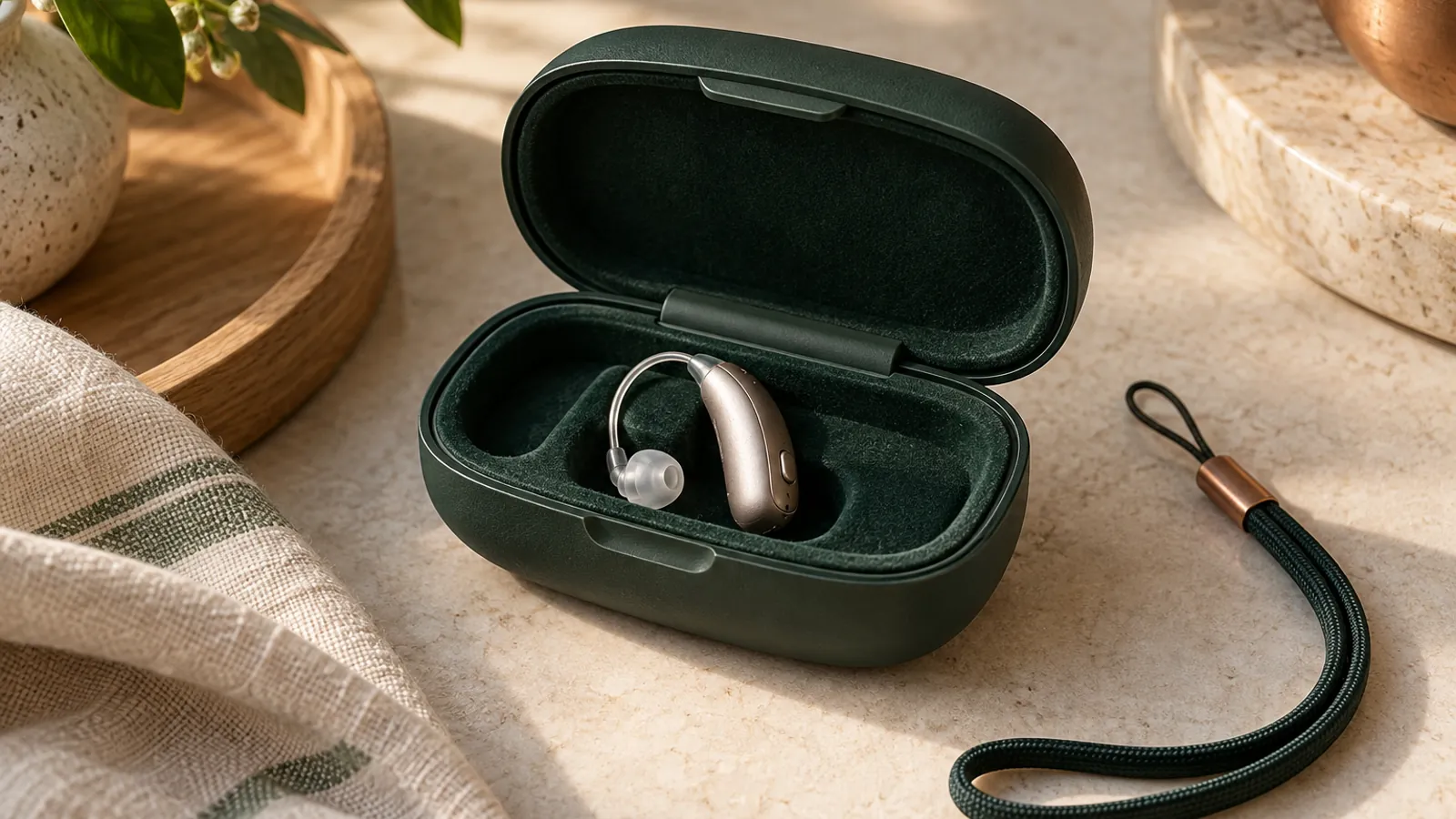
Read a hearing aid warranty separately from loss protection, accidental damage terms, and routine service. A document called a warranty does not automatically cover every event that makes a device unusable or unavailable. Compare the covered problems, exclusions, period, claim steps, and possible fees for the exact arrangement. Do not assign an invented cash value to protection simply because it is described as included.
Separate the events you want to understand
A manufacturing fault, a device dropped into water, a lost device, and a need for routine adjustment are different events. Ask which document applies to each. A seller may offer several forms of support, but the names alone do not establish the scope. Read the actual terms and ask about the situations that concern you.
Also ask whether the charger, accessories, and rechargeable battery have the same terms as the hearing aid. A package can contain items with different service arrangements. Record which company handles each claim and whether you must contact the seller before sending equipment elsewhere. Keep the serial information and receipt privately so the exact device can be identified.
Compare the terms in a table
Ask for a copy before purchase, not just a verbal summary. If a term is uncertain, write “not confirmed” and request clarification. The comparison should describe what you can actually claim, not a general impression that one offer feels safer.
| Term | Question to ask |
|---|---|
| Covered faults | Which problems are included? |
| Exclusions | Which damage or use conditions are excluded? |
| Period | What date starts coverage and when does it end? |
| Claim fee | Is there a payment per device or event? |
| Shipping | Who pays and where does it go? |
| Replacement | Same model, equivalent model, or another remedy? |
| Loss | Is it covered separately and how often? |
| Loaner | Is one offered and under what conditions? |
Do not assume that a longer period covers more kinds of events. Duration and scope should be compared separately.
Calculate a scenario without predicting a claim
Suppose an illustrative protection arrangement costs $100 upfront and charges $150 for an eligible replacement event. If that event occurs and is accepted, the additional expense in this simple scenario is $250. If it does not occur, the upfront amount remains $100. These fictional numbers are not a current premium, fee, probability, or recommendation.
The example does not show whether protection is worthwhile for you. That would require the actual terms, your circumstances, and a careful view of uncertainty. Do not invent a failure or loss rate to create a break-even claim. Instead, compare what you would owe under a few clearly labeled events and consider whether you could manage an uncovered expense.
Ask about service access and time without the device
Find out whether the device is repaired locally or sent away, how you receive status updates, and whether temporary equipment is available. Do not assume a standard repair turnaround or a free loaner. Ask the seller about the process for your model and circumstances.
If hearing support is essential for work or communication, discuss a practical backup plan with your care provider. The plan might involve another appropriate listening method or a service arrangement, but this guide does not prescribe a device. A warranty's financial remedy does not automatically solve the practical effect of being without the equipment. Record both the money and the service logistics in your comparison.
Keep protection and return rights distinct
A return policy may allow a purchase decision to be reversed under stated conditions. A warranty generally addresses covered problems under its terms. Do not assume a warranty repair extends the return deadline or that dissatisfaction automatically qualifies as a warranty fault. Ask which process applies and preserve any written extension.
If a device is damaged, stop and follow the manufacturer's safety and service instructions. Do not attempt an unauthorized repair to avoid a claim fee. For pain, a sudden hearing change, or another medical concern, seek appropriate clinical advice rather than treating the warranty desk as a medical service. Financial protection cannot determine whether continued use is safe.
FAQ
Does “full warranty” mean loss is covered?
Do not infer that from the phrase. Read the covered events and exclusions and ask specifically about loss, accidental damage, accessories, and claim fees. Keep the response with the actual document rather than relying on a marketing description.
Should I include a replacement fee in annual upkeep?
If the event is uncertain, show it as a separate scenario or clearly labeled allowance. Do not present a possible claim as a guaranteed yearly charge. If there is an actual recurring protection fee, record that according to its payment schedule.
Can another insurance policy help?
Ask the relevant insurer about your exact policy and circumstances. Do not assume another policy covers the device or that payments can be combined. Compare the documents and any deductibles or exclusions before relying on a potential payment.
Continue your comparison
- Hearing aid buyer safeguards: a document-first approach
- Sudden hearing changes: when shopping should wait for medical care
- Hearing aid returns and refunds: keep a clear paper trail
Use the pathway comparison alongside the written terms for your own purchase.
Sources
- FDA warranty and repair questions — official guidance relevant to this guide.
- NIDCD hearing aid purchase questions — official guidance relevant to this guide.
Source check: October 30, 2026. This was an editorial source check with AI assistance, not a clinical review. Confirm current product terms and your individual benefits before acting.